TA, TB, and TC Oil Seal: Respective Uses
Oil seals, often referred to as rotary shaft seals, are vital components in machinery. Their primary role is to prevent fluid leakage and keep contaminants out, ensuring smooth operation and efficiency. Among the various oil seal types, TA, TB, and TC designs stand out for their unique characteristics and specialized uses. Let's dive into their respective purposes and understand how to select the right one for your needs.
What Are Oil Seals?
Definition and Purpose
Oil seals are mechanical devices used to seal the space between stationary and moving components. They prevent the escape of lubricants and protect machinery from dust and debris, playing a crucial role in maintaining performance and longevity.
Common Types of Oil Seals
Oil seals come in various shapes and materials. TA, TB, and TC are among the most popular types due to their durability and specific designs tailored for different applications.
The Design and Construction of Oil Seals
Anatomy of an Oil Seal
Oil seals typically consist of:
1. Inner Lip: Ensures tight sealing.
2. Outer Shell: Provides rigidity and durability.
3. Spring: Enhances sealing pressure.
Materials Used in Oil Seals
Common materials include nitrile for affordability, silicone for temperature resistance, and PTFE for chemical resistance. The material choice directly affects the seal's performance in various environments.
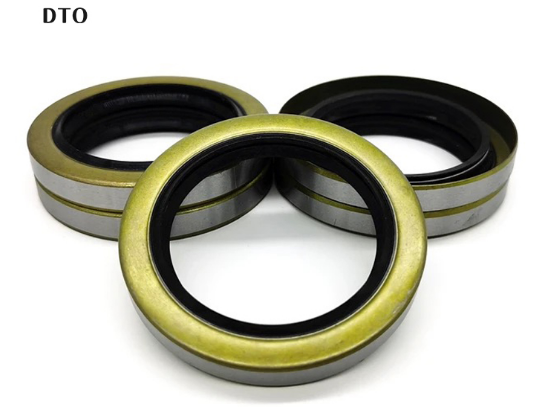
TA, TB, and TC Oil Seals: A Quick Comparison
Overview of the Three Types
- TA Oil Seals: Single-lip design for moderate applications.
- TB Oil Seals: Robust single-lip design for high-stress environments.
- TC Oil Seals: Dual-lip design for superior sealing.
Common Features of TA, TB, and TC Oil Seals
These seals share characteristics such as durability, ease of installation, and effectiveness in fluid containment, making them versatile for various industries.
Specific Uses of TA Oil Seals
Applications in Low-Speed Rotations
TA seals are ideal for machinery operating at lower speeds, such as conveyors and light-duty pumps.
Why Choose TA for Moderate Fluid Containment?
Their single-lip design provides adequate sealing for moderate fluid pressure without excessive wear.
Specific Uses of TB Oil Seals
High-Performance Applications
TB seals excel in heavy machinery and automotive applications, where durability under stress is crucial.
Sealing Efficiency in Harsh Conditions
Their robust construction makes them suitable for environments with high temperature and pressure.
Specific Uses of TC Oil Seals
Dual-Lip Design for Enhanced Sealing
The dual-lip design offers added protection against contaminants, making TC seals a go-to choice for challenging conditions.
Applications in High-Speed Rotations
They perform exceptionally well in high-speed machinery, such as motors and turbines, ensuring reliable sealing under dynamic conditions.
How to Select the Right Oil Seal?
Key Factors to Consider
Consider speed, operating temperature, and the type of fluid being sealed when choosing an oil seal.
Why Material Matters in Selection
The right material ensures compatibility with the environment and fluid type, preventing premature failure.
Benefits of Using the Right Oil Seal
Improved Machinery Performance
The correct seal minimizes friction, preventing leaks and ensuring smooth operation.
Prolonged Equipment Lifespan
By reducing wear and tear, the right oil seal extends the life of your machinery.
Conclusion
Choosing the correct oil seal—be it TA, TB, or TC—can significantly impact the performance and durability of your equipment. Each type has its strengths, tailored for specific applications. Always consider your machinery's needs and operating conditions to make an informed decision.
FAQs
1. What makes TA oil seals different from TC oil seals?
TA seals are single-lip, while TC seals have a dual-lip design for added sealing.
2. Can I use a TB oil seal in place of a TA oil seal?
It depends on the application, but TB seals are generally more robust.
3. What maintenance is required for oil seals?
Regular inspection and cleaning of seals and surrounding components are recommended.
4. How do I identify the correct oil seal for my machinery?
Consult machinery specifications and consider factors like speed and temperature.
5. Are dual-lip oil seals always better?
Not necessarily. They are better for harsh conditions, but single-lip seals suffice for moderate applications.


评论
发表评论